Sporelab

Fungi are not plants. They are not animals. They are something stranger, and more fundamental than either.
They are at the start and end of the life cycle, commonly associated with decomposition and decay, but equally the beginning of life, converting matter into usable building blocks for the living world. There are billions of fungal networks beneath your feet, making everything possible, and they are largely unknown and undiscovered in the modern science archive.

Fungi are at the forefront of scientific curiosity, and the common narrative has shifted to a point where everyday people are fascinated. Whether it be lion's mane for brain health, turkey tail for immune support, or medical breakthroughs tackling antibiotic resistance and autoimmune disease. There are an estimated 2–6 million species on Earth.
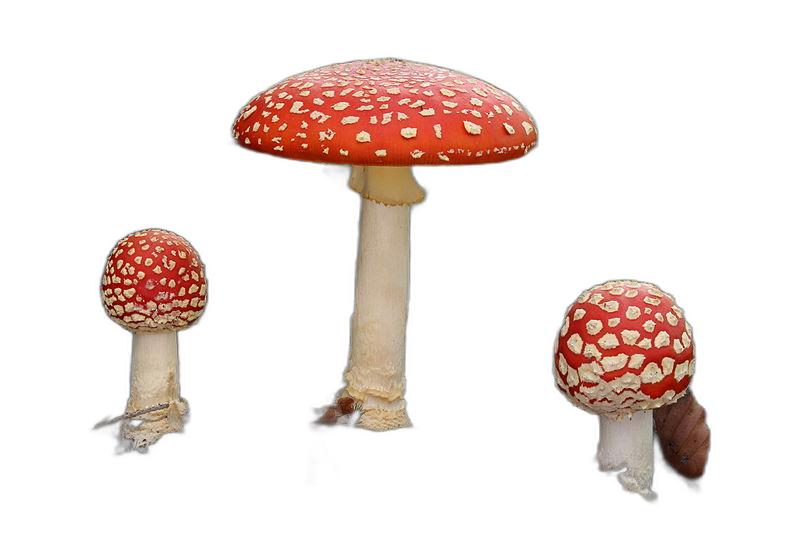
The scientific community have formally described around 150,000. Of those, fewer than one percent produce what we recognise as a mushroom, and of the estimated 140,000 mushroom-forming species, only around 20,000 have been identified.
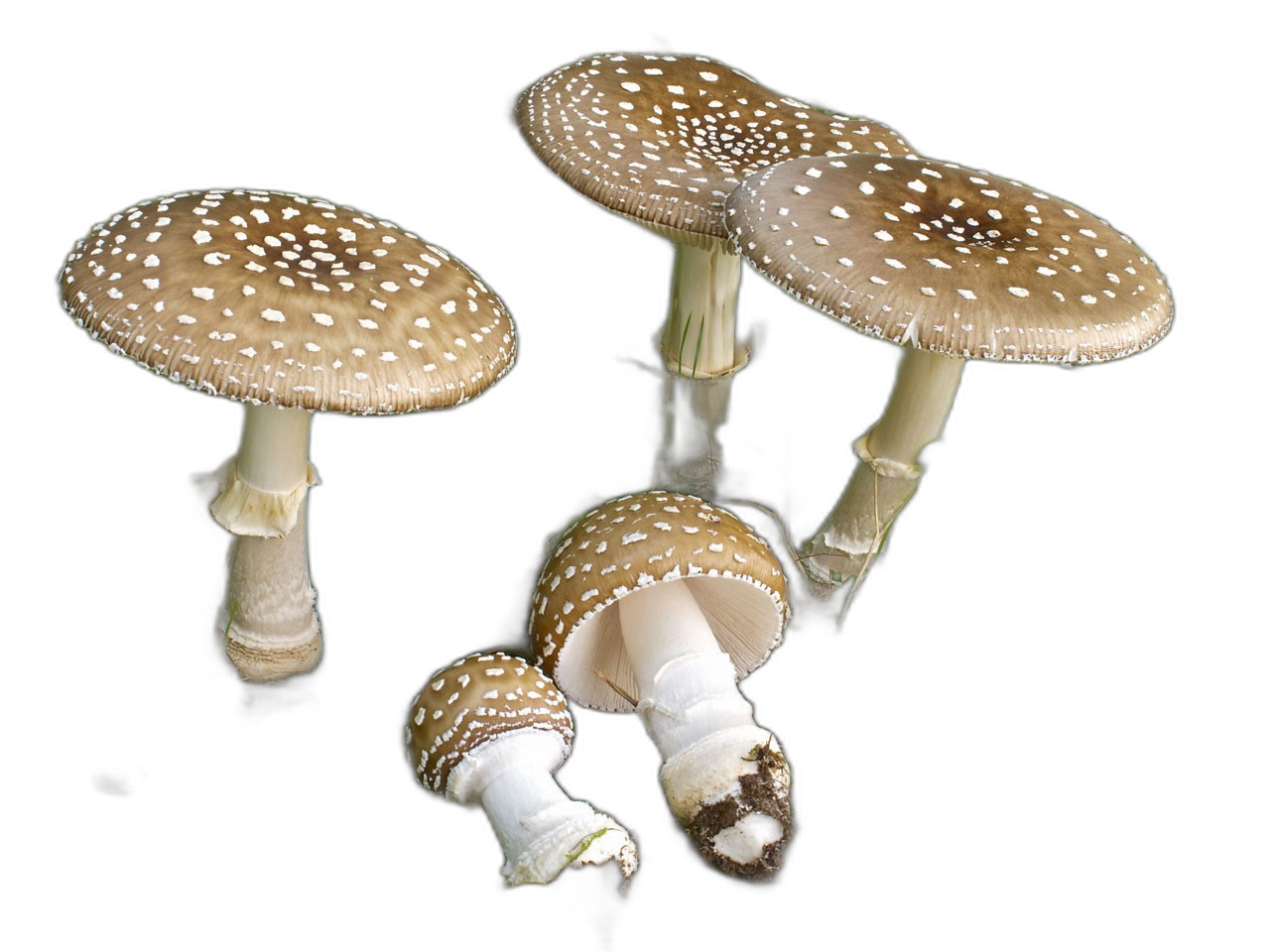
This site is an attempt to make sense of the little we know — how they work, where they came from, who studies them, and how to grow them yourself.
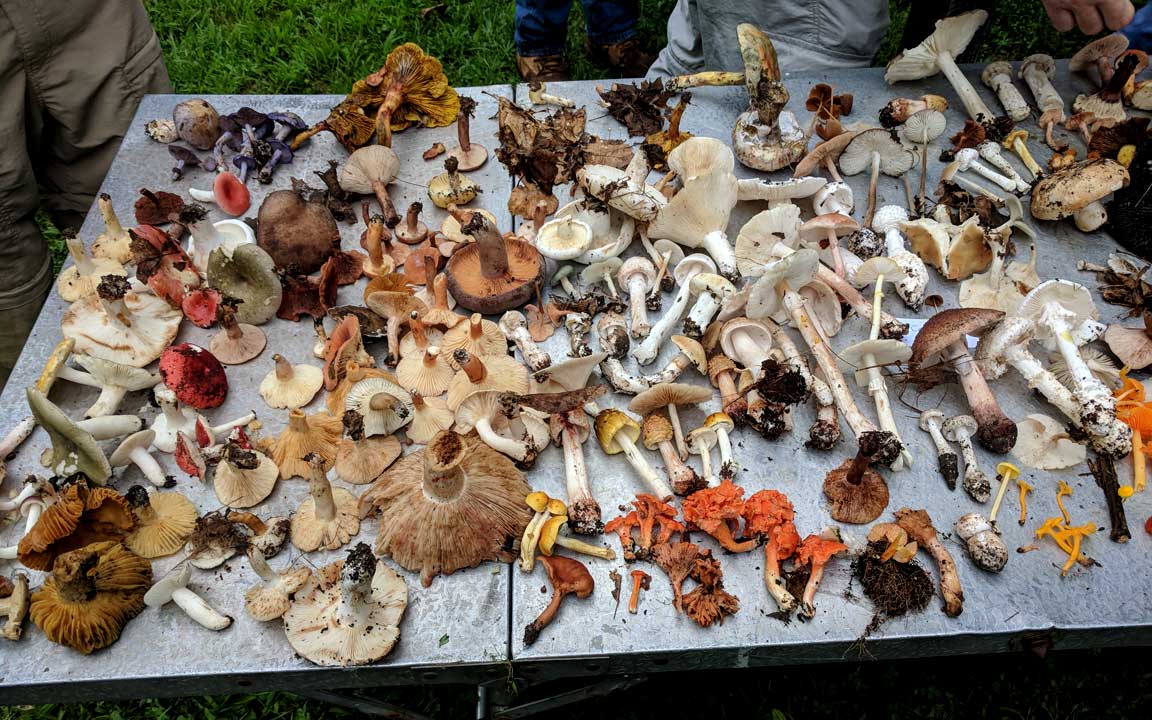
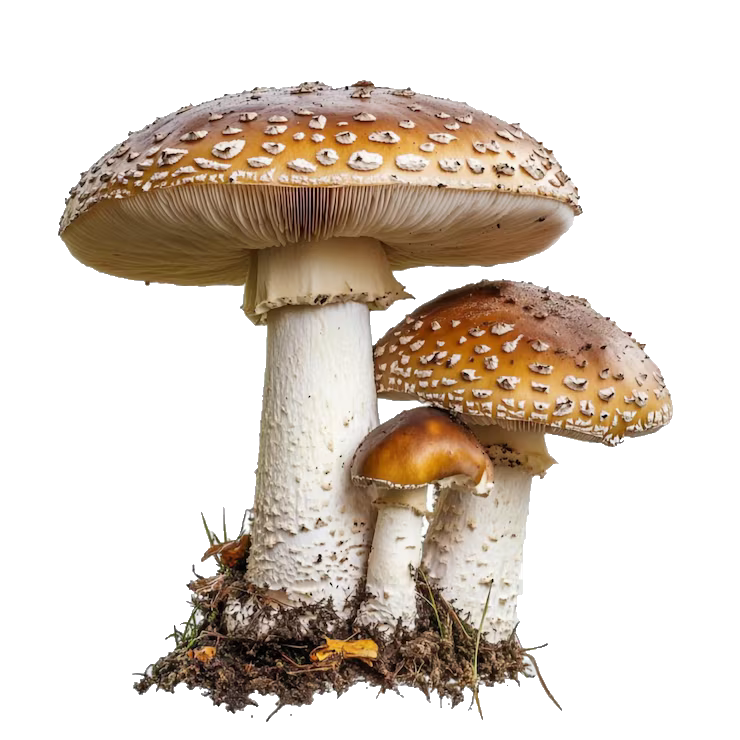
It is always quite surprising the amount of diversity you encounter — this is the yield from a single foray.

Explore

Start from what interests you the most! (it's all connected underground anyway)

Mushroom
01 Taxonomy Where fungi sit in the tree of life. 02 History The people who built the science. 03 Species Lion's mane, reishi, cordyceps and more. 04 Techniques Still air box vs flow hood. The full workflow. 05 Beyond Fungi in your jeans, reactors, and the ocean.

Five facts to start with

01 — The largest organism on Earth is a fungus. A single Armillaria in Oregon covers 9.6 square kilometres and is up to 8,650 years old. What looks like hundreds of separate mushrooms is one connected thing.

02 — Fungi were on land roughly 1.3 billion years ago — 400 million years before the first plants, 600 million years before the first animals. They didn't just arrive early. They may have made everything else possible.

03 — 90% of land plants depend on fungal partnerships to survive. Fungi extend the plant's root system deep into soil it can't reach, delivering water and minerals in exchange for sugar. Pull the fungi out and most plant life collapses.

04 — One mushroom can release 30,000 spores per second. Over days, that's billions. Spores have been found in the upper atmosphere and at the bottom of ocean trenches. Some survive for thousands of years.

05 — Mushrooms are the only natural vegan source of vitamin D. Leave a portobello gill-side up in direct sun for 15 minutes and it produces more than a day's worth. The same UV reaction that works on your skin works on them.