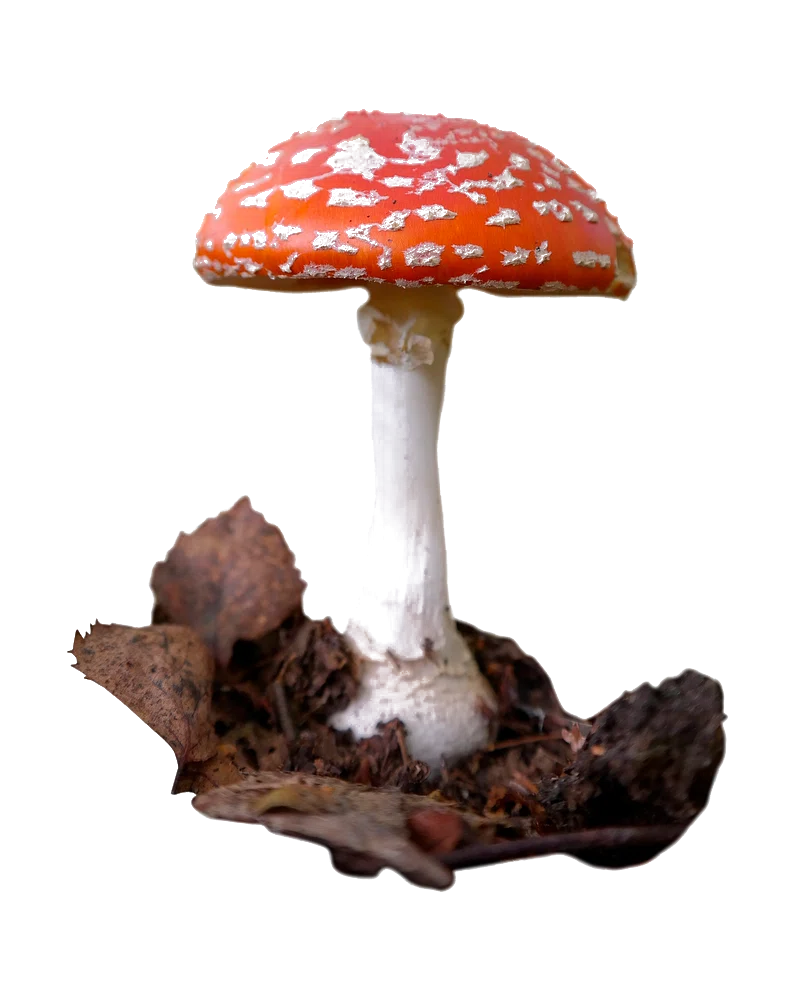
Fungi are not plants. They are not animals. They are something stranger, and more fundamental than either.
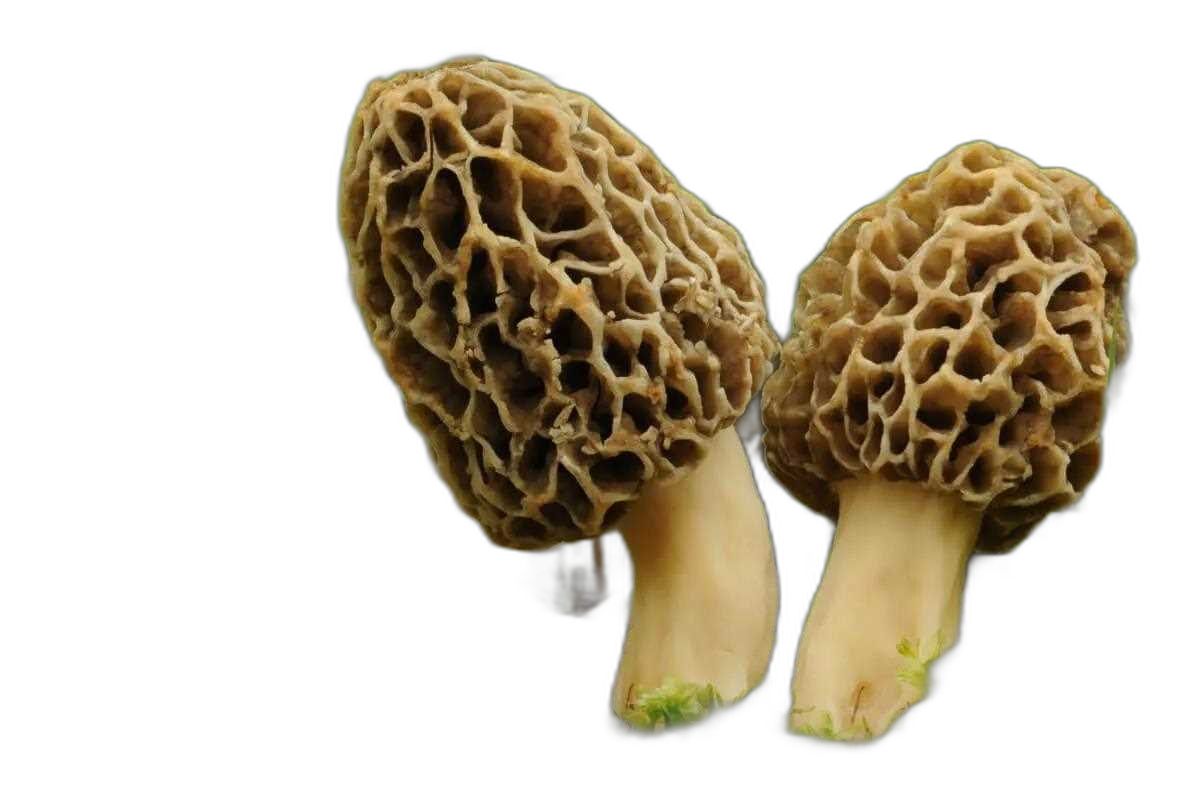
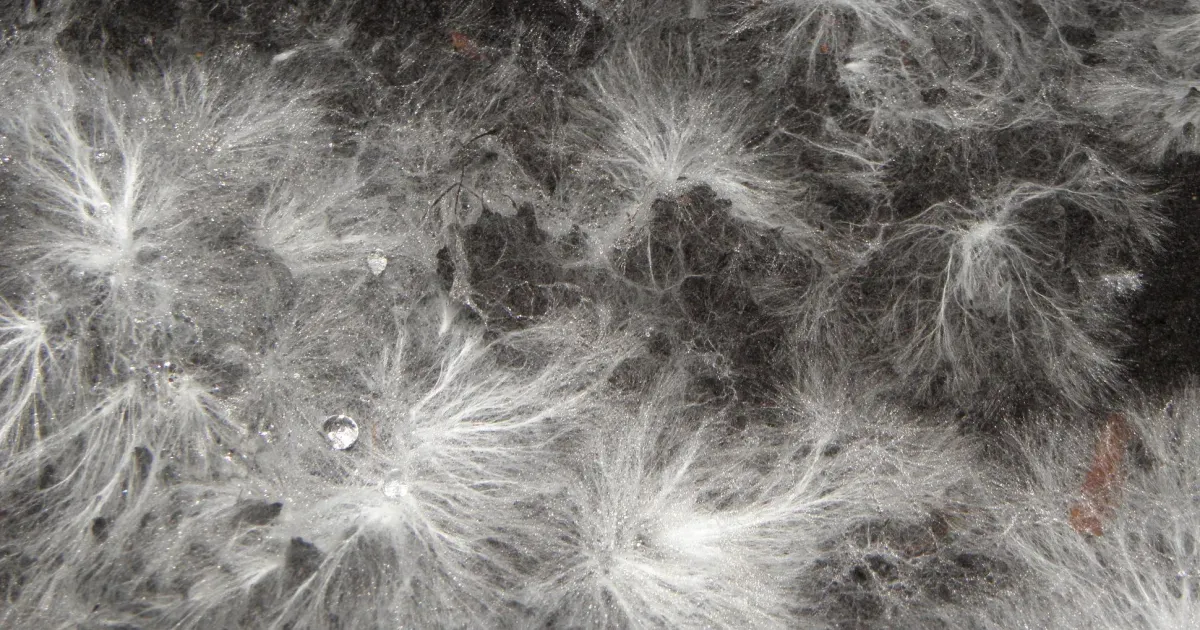
They are at the start and end of the life cycle, commonly associated with decomposition and decay, but equally the beginning of life, converting matter into usable building blocks for the living world. There are billions of fungal networks beneath your feet, making everything possible, and they are largely unknown and undiscovered in the modern science archive.
Fungi are at the forefront of scientific curiosity, and the common narrative has shifted to a point where everyday people are fascinated. Whether it be lion's mane for brain health, turkey tail for immune support, or medical breakthroughs tackling antibiotic resistance and autoimmune disease. There are an estimated 2–6 million species on Earth.
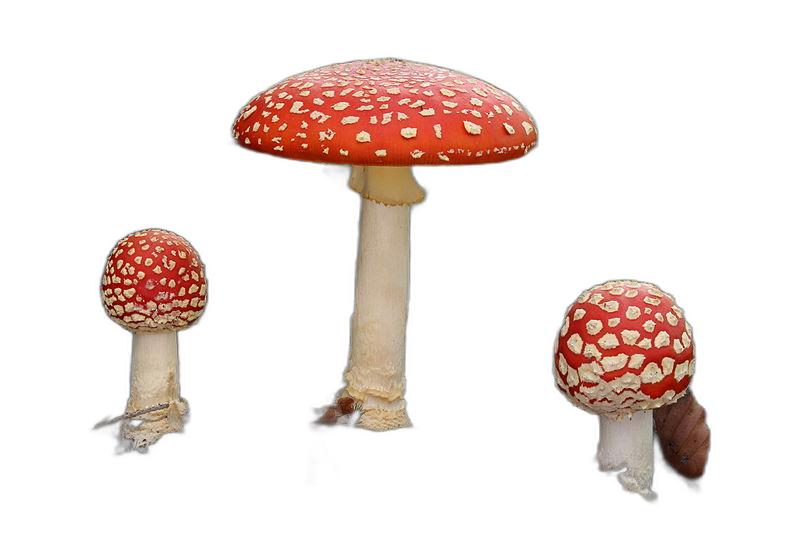
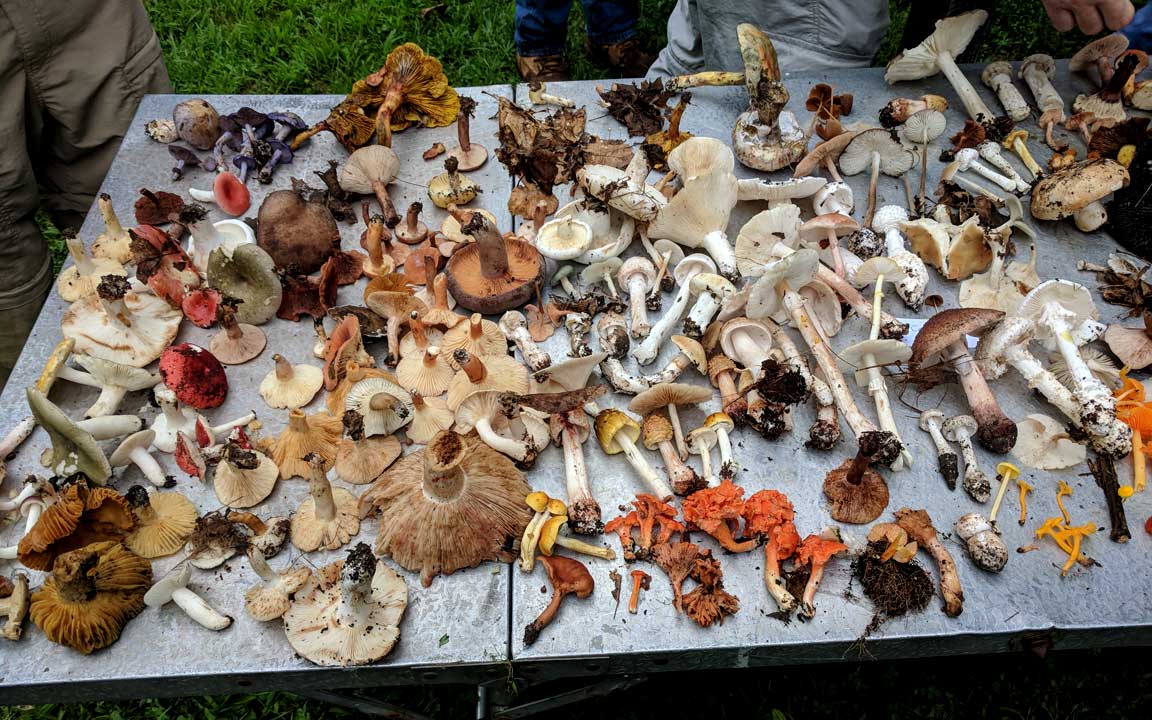
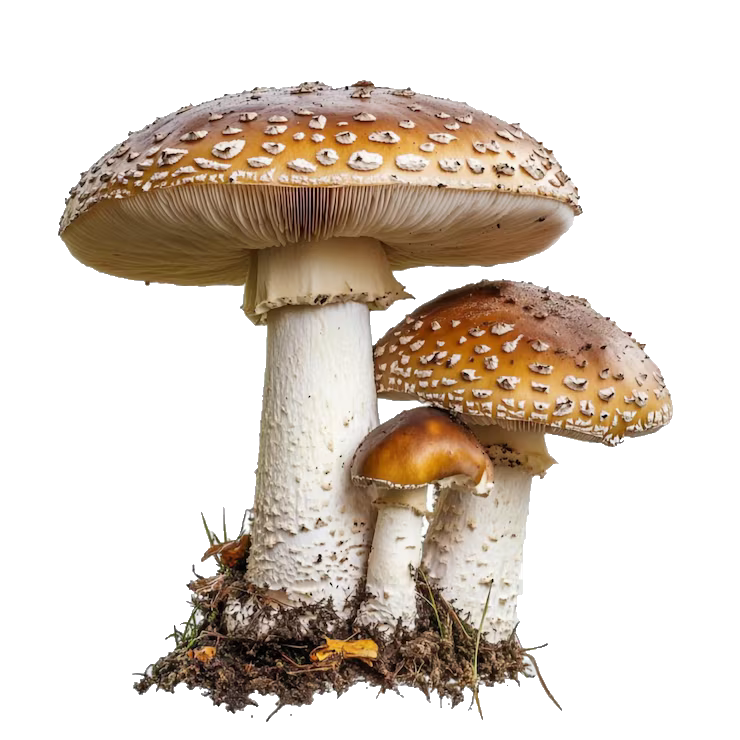
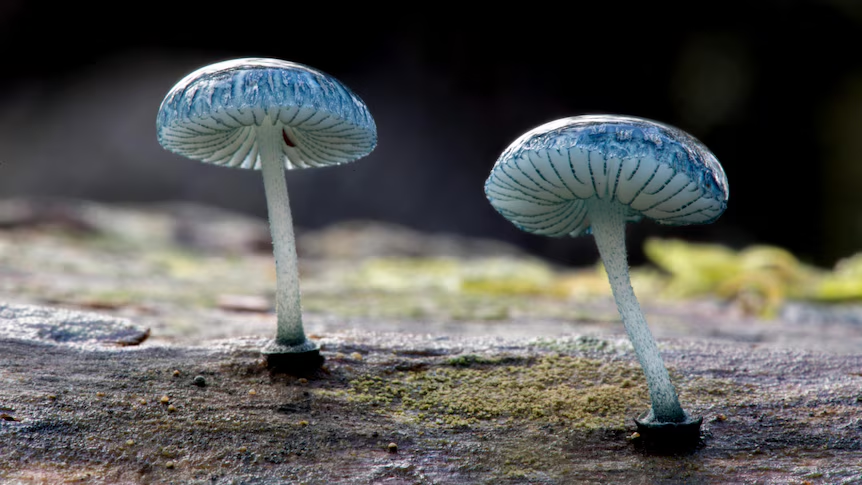
The scientific community have formally described around 150,000. Of those, fewer than one percent produce what we recognise as a mushroom, and of the estimated 140,000 mushroom-forming species, only around 20,000 have been identified.
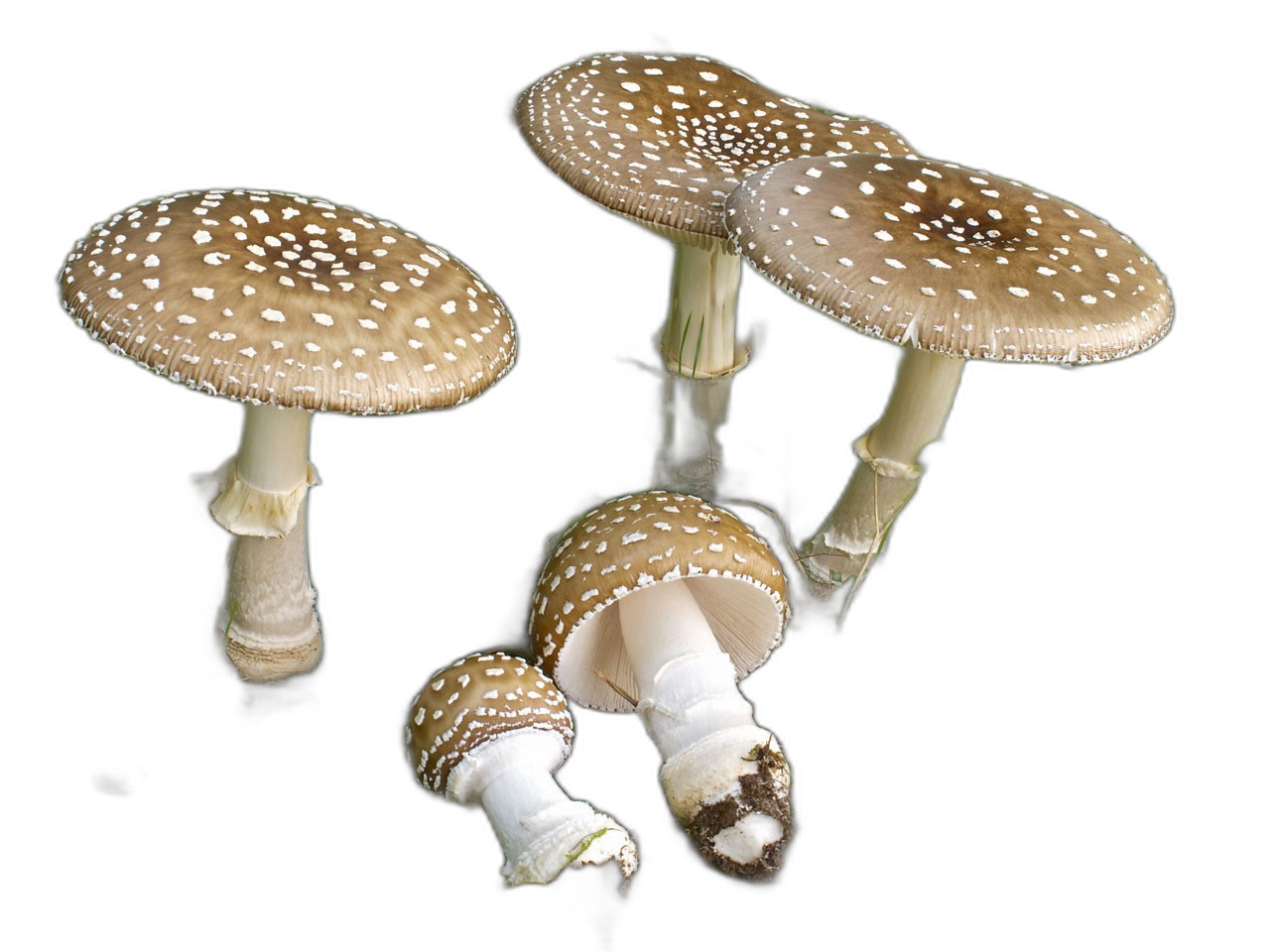
This site is an attempt to make sense of the little we know — how they work, where they came from, who studies them, and how to grow them yourself.